SIP Trunk and voice quality: what really happens behind an IP call?
Completing a call does not necessarily mean guaranteeing quality communication. Learn about the technical factors that influence the experience on a SIP call.


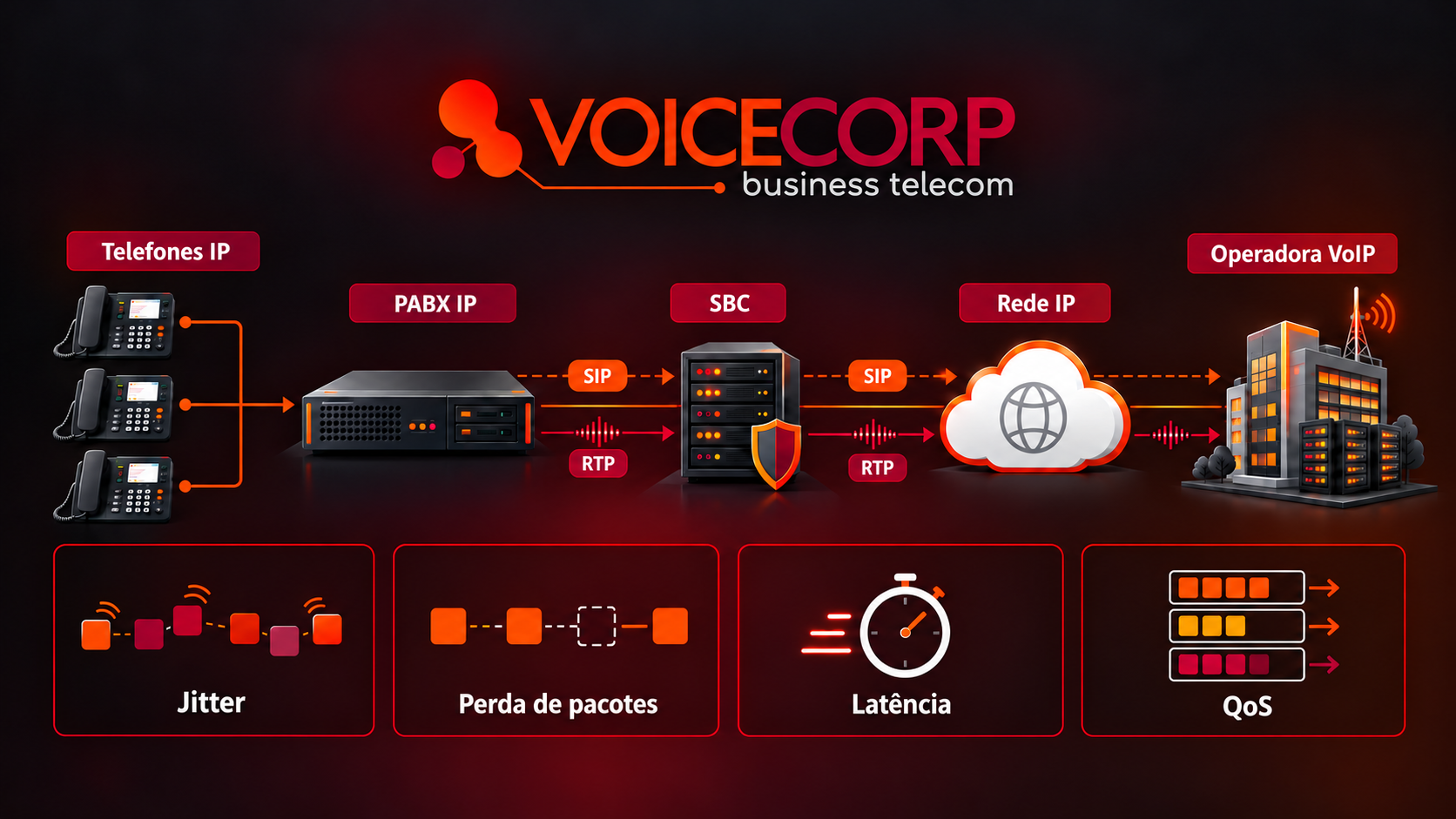
Completing a call does not necessarily mean guaranteeing quality communication. Learn about the technical factors that influence the experience on a SIP call.

Corporate telephony is entering a new phase in Brazil. For many years, the phone displayed only one number. Then came caller IDs, anti-spam apps, and branded call solutions that could show the company name, brand, and in some cases, the reason for the call. Now the market is moving to a deeper layer: call originator authentication.

Verified Origin is the evolution of caller identification in Brazil. The proposal combines origin authentication with enriched information that helps the consumer understand who is calling and why that call is being made.

Validated Number is one of the concepts that should gain the most space in Brazilian telephony in the coming years. For the consumer, the idea is simple: when receiving a call compatible with the authentication ecosystem, the device can indicate that that origin has undergone a technical validation process.

Phone spoofing is the falsification of the source ID of a call. In a scam, the criminal can manipulate the Caller ID to make the victim's phone display a different number from the real origin of the call.

For a call center, completing the call is only half the job. The other half is convincing the customer to comply. In an environment marked by spam, scams, and unknown numbers, trust has come to directly influence the efficiency of outbound operations.

One of the biggest frustrations of companies that use telephony is discovering that their numbers appear as spam or suspicious calls on the customer's cell phone. This can happen even when the company is legitimate.

A common question about Verified Origin is whether the experience works the same on all phones. The answer is no. The visual presentation of an authenticated call depends on different technical factors, including carrier, network, device, operating system, and feature implementation.
If you've come this far looking for a VoIP company, you're probably trying to solve one of these situations: reduce telephony costs, migrate the PBX to the cloud, gain mobility, integrate voice with the CRM, or improve the service operation.

If your company is already evaluating a virtual PBX, you probably already know the benefits of taking corporate telephony to the cloud. The question now is another: which solution offers the features, stability, and flexibility that your operation really needs?
